
Parental Shame Pt. 1
Let's begin
"The particular nature of our shame tells us exactly all the ways we need to come out of hiding. Shame is difficult, shame is painful, shame is our reinforced recoil from the same experiences that previously seemed to break our hearts and made us feel shameful in the first place, but shame is our constant companion, who for our own good and for the sake of our emancipation from all our previous difficulties, will never leave our side. Shame is our faithful and ever-present and ever-helpful friend, inviting us to understand, against all our meticulously gathered evidence, that we deserve to fulfill the desires that often lie unsuspecting and unfelt in the very marrow of our bones.
We should not be ashamed of shame, only perhaps of our reluctance to follow its close, abiding and generous wish to instruct us so carefully in all the ways we feel we have given up on, or are not equal to, the eternal, not-to-be-given-up-on task of living."
-David Whyte, Consolations II: The Solace, Nourishment, and Underlying Meaning of Everyday Words
A few reflections
This winter, I occasionally found myself shaming the skies: "Why is it so warm? This isn't what winter should be like! Why can't it just snow already?!" When we find it difficult to understand unfamiliar circumstances, it's easy to fall into these patterns. Of course, I'm being facetious about shaming the weather, and I also wonder...how many of us were shamed as children for not performing as expected or not arriving to a milestone at the agreed-upon time? Now, how many of us reflexively return to these patterns, directing shame inward when we don't measure up as parents and outward when our child doesn't conform? I'm turning our focus to shame because it distorts our parenting judgment, impacts our relationships with ourselves and our child, and activates survival responses in our nervous system. When we work with our shame, we open ourselves to feeling more free and connected in our relationships.
It seems everywhere we look these days someone admonishes, "Silence your shame. Shame has no place here." It's such loving, well-intentioned advice. And yet, when we actively experience shame, being told not to feel shame has the paradoxical effect of adding shame to shame. My daughter and I recently discovered a new place to play in the woods near our home here in Montana. It's a dry creek bed where many generations of trees sit dead and dying. Layers and layers of logs in various stages of decay piled upon one another. Examining the downed trunks, I imagined the windstorm that toppled these trees or the elk that knocked those over and thought of the connection to shame - each new log adding more complexity to the layers before it, just like the shame of feeling shame adding more internal complexity. Unfortunately, one just can't be shamed out of shame. Instead, we must begin to excavate these layers, by first becoming more comfortable with shame as just another emotion.
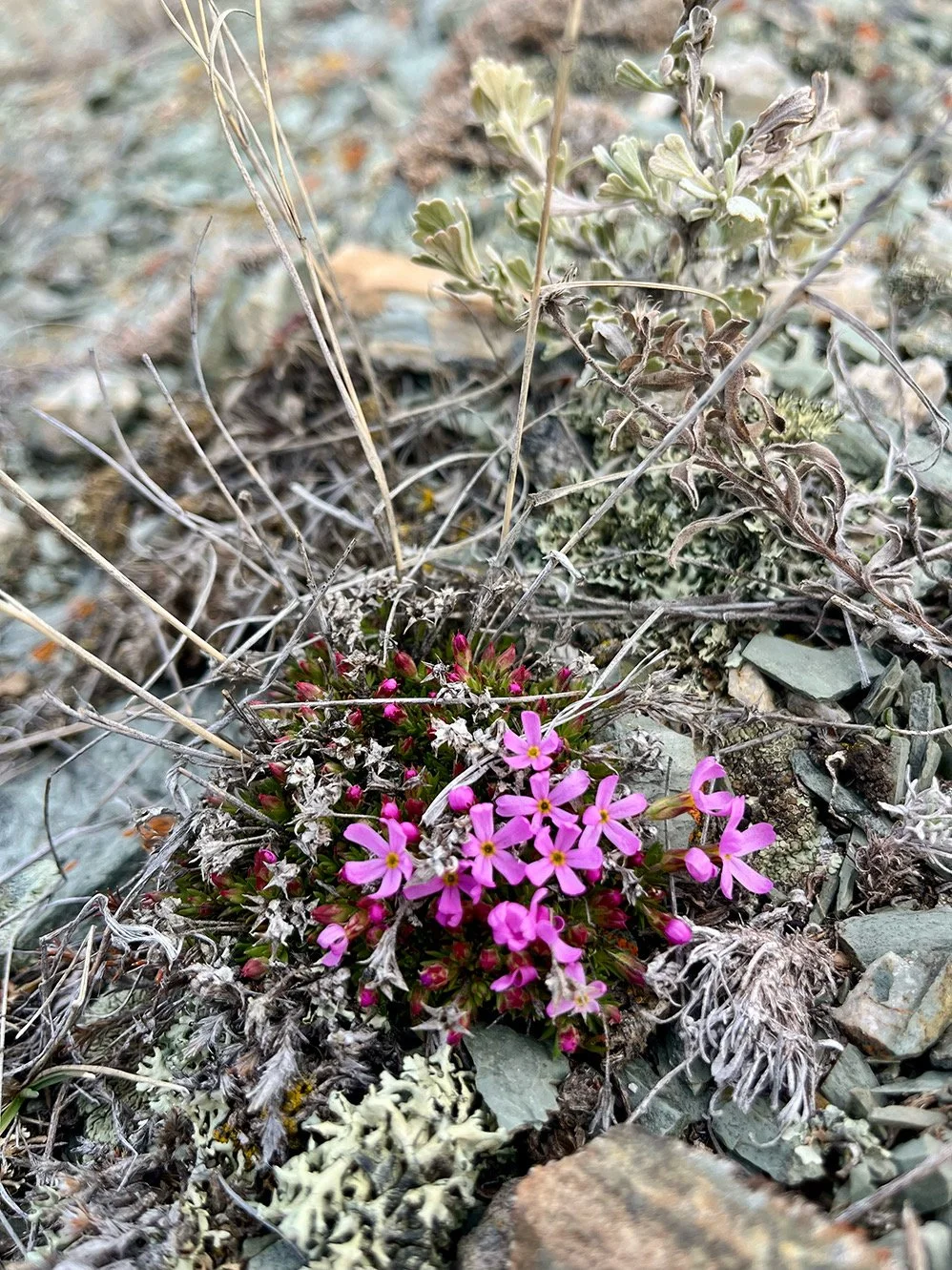
On our hike home, I captured the image at the top of this email - these sprigs bright reminders of hope emerging from a seemingly dead and frozen landscape. When we take time to sift through and be with the layers within us, we may just make room for new life to spring forth.
A personal practice
When facing any uncomfortable or challenging emotion, the work we do to prepare is as (if not more) important as the work of actually dealing with the emotion. In the next few weeks, take some time to reflect on someone in your life from whom you've received unconditional love. It could be someone from your past or present, as well as a person or divine presence. As you reflect, imagine this individual with you now offering you their love, and notice the sensations in your body - how do you feel? Commit this to your memory in a bodily sense - practice recalling this embodied experience until you can easily access this experience throughout your day. Additionally, when you feel shame enter into your parenting, behave as you normally would without making any conscious changes, and just observe your experience.
A final thought
I find it so interesting that while shame tells us we alone are unworthy, it is a universal feeling - we are connected in that we all occasionally have this experience causing us to feel estranged from others. Connecting to this commonality may help us move through and metabolize it more easily.